
The Sun as Symbol and Instrument
The Hanging GirlThis thread traces the sun’s changing role from ancient religious symbol to academy ritual and finally to the literal force in Pirjo’s electrical trap.
increasing Bearing strength in each event
 decreasing
Bearing strength in each eventdecreasingAncient Interpretations
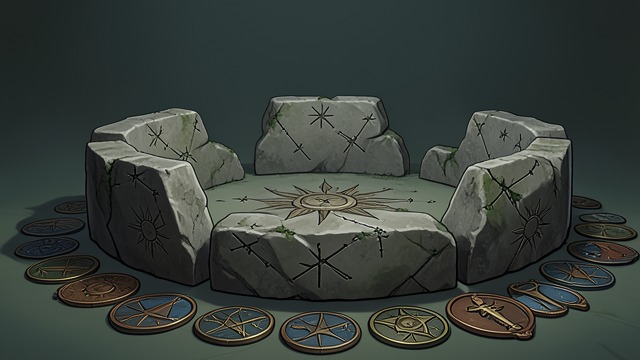
Sun and Religious Story
Tausen’s Theory
Johannes Tausen describes theories that connect religious narratives, the zodiac, and seasonal movements of the sun.
A Contested Framework
The account helps explain Frank’s interests, but the novel presents it as an interpretation rather than an uncontested explanation of religion.
Bornholm’s Sacred Sites
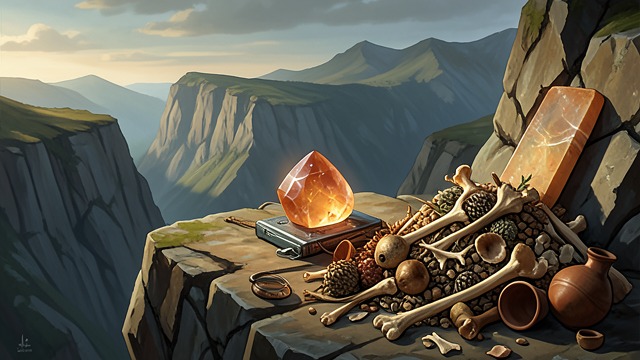
Archaeology and Belief
Sunstones and Offerings
Frank studies sites such as Rispebjerg and Knarhøj, connecting archaeological remains to his understanding of sun worship.
The Island as Text
Bornholm becomes a landscape he reads for signs, giving spiritual meaning to places that also hold the evidence of Alberte’s death.
The Academy’s Sunrise
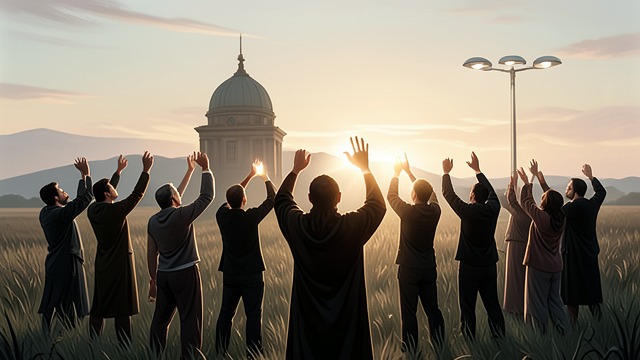
Ritualized Light
Daily Gathering
Followers greet the sunrise through coordinated gestures, chants, and explanations of seasonal change.
Community and Authority
The ritual creates solidarity, but it also places Atu at the center as interpreter of the natural world.
Sunlight Powers the Trap
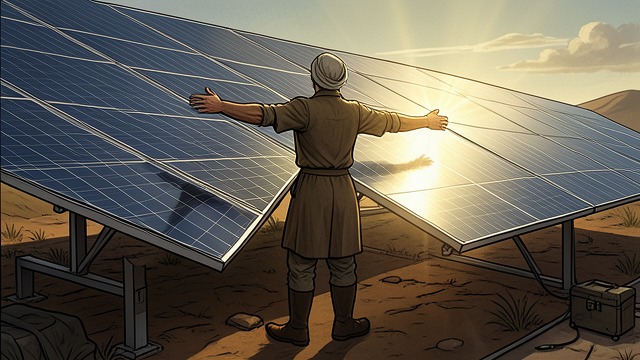
A Symbol Becomes Physical
Solar Panels
Pirjo connects the investigators to the academy’s direct-current system, where sunlight determines the severity of the current.
Literal Danger
The life-giving sun celebrated by the academy becomes a source of physical torture, while Assad’s grounding action interrupts its path.
A Bright but Unsettled Ending
Meaning After Violence
The Ritual’s Limits
The academy’s solar language cannot explain away the deaths, captivity, or injuries that occur in its name.
Symbolic Reversal
Sunlight remains both a source of life and a material force, leaving the novel’s symbol deliberately double-edged.
Before the novel’s present
June–November 1997
May 2014
May 16, 2014
After the academy fire
